Therefore all things whatsoever ye would that men should do to you, do ye even so to them: for this is the law and the prophets.
— Matthew 7:12
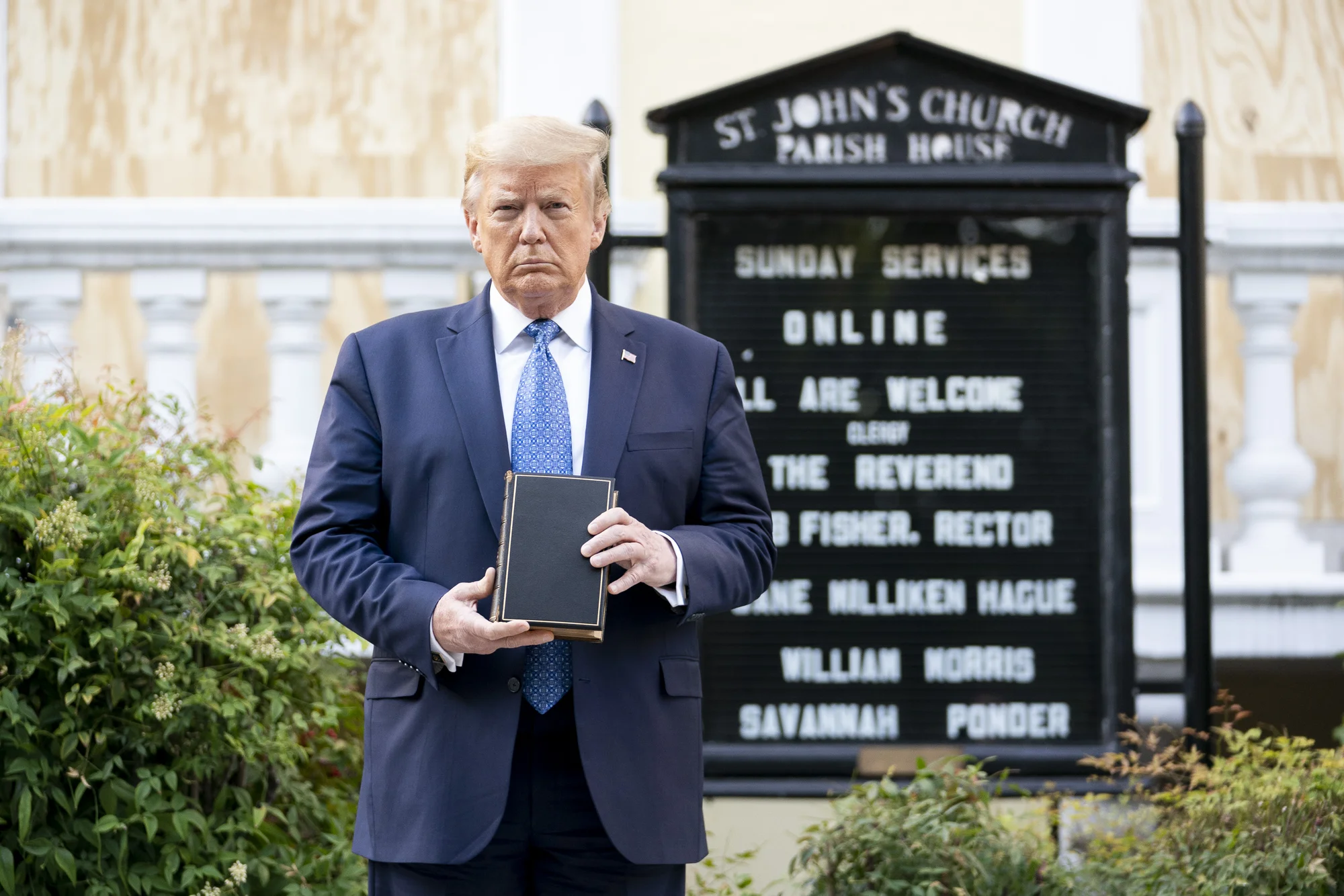
The longest line I've ever stood in was at the Budweiser Events Center. I waited with my Dad, hoping for a seat at our local 2016 Trump campaign rally. We didn't get in. I was 16 at the time, wishing I could cast a ballot for Donald Trump and not "Crooked Hillary."
Ten years have passed. I can't recall another candidate for any office that my Dad was vocally supportive of. He had told me how he thought it could be good to get an outsider into Washington and "shake things up" or "drain the swamp." I asked him if he would still vote the same way. He has mysteriously forgotten who he voted for. Besides, he's apolitical now.
I was raised Christian. Growing up, I heard "respect your elders" often. We all come around to this idea in various ways as we age. For me, it began as a child, learning our elders really do have our best interests at heart, that they can, and will, act to protect us even when it doesn't look that way to us.
As I grow into my own shoes, I continue to grapple with this value. Intuition tells me they've earned my respect. Life has given them knowledge and wisdom. Then I consider who they vote for. I see Donald Trump. I see the GOP. I see the values that trickle down faster than any of the promised dollars injected up top. How can I hold respect for these people, good people, who raised me to be a good person, while they stand for this?
I should be the naive child, hoodwinked by simple lies and smooth talk from politicians. They should be looking back at me, seeing themselves in my inexperience. In a good world, they would nudge me away from toxic ideologies and violent rhetoric.
Instead I feel shame for my elders, shame that I was formed through their worldview. They laid out what it means to be a good person, yet Donald Trump fits their mold. Why do they not see the immoral man I see? I live their echo. How can I trust the moral compass I inherited?
Becoming an Elder
My Dad doesn't recall his votes for Trump. After stewing in outrage a while, I no longer think he was lying; forgetting is easier.
My disrespect for the old guard feels rooted in a shared misperception of each other. We each perceive the other as taking the easy path, being agreeable, and above all conforming to what "biased media" told us. I know that my elders are striving to act righteously. Many are compassionate followers of Jesus; we share a righteous drive that we believe has been commandeered by bad actors.
This righteous drive is double-edged; it compels us to strike down evildoers, but can quickly devolve into fury, blinding us to the harms we inflict upon those we sought to protect.
As I become an elder, I hope to carry myself with humility. When confronted by generations behind me, I envision myself as capable of stooping down to hear them out, of recognizing a mistake for what it was. History tells me I too will fall prey to this trap. That one day I will become a source of shame for the new youth.
I want to be good,
but good is being simple.
Simple is forgetting,
and I simply can't forget.
— The Judybats, Being Simple